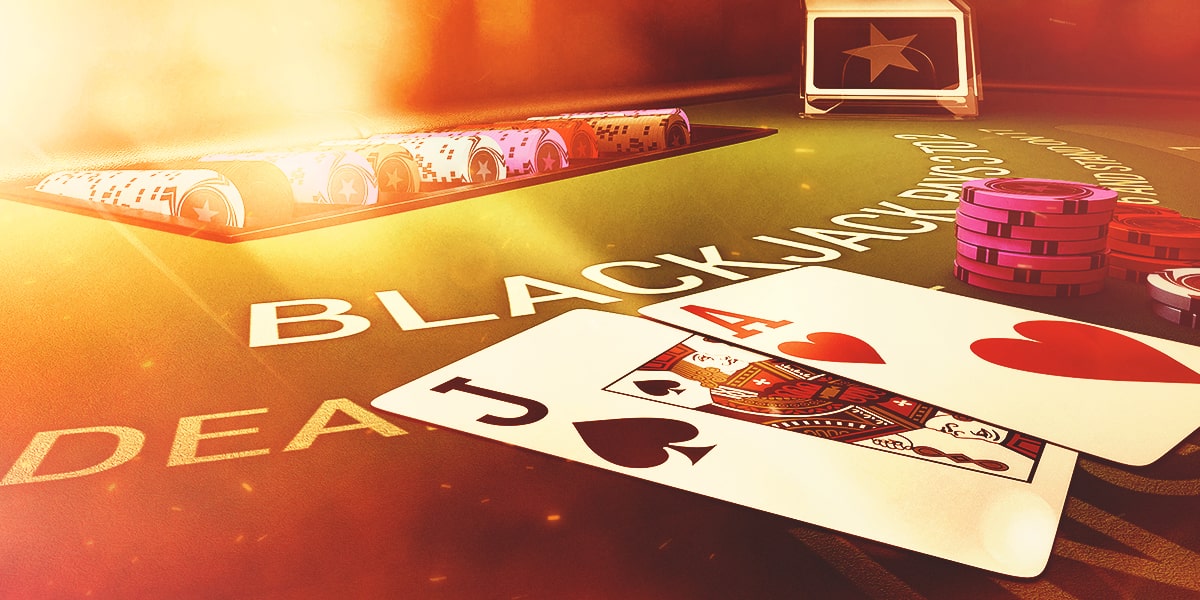
They look identical across the felt, but European blackjack and the American game differ on one rule that quietly reshapes your strategy: the dealer’s hole card.
Hole card vs no hole card
In American blackjack the dealer takes two cards immediately — one face up, one face down — and peeks at the hole card when showing an ace or ten. If they have blackjack, the hand ends before you commit extra money to splits or doubles.
In the European (and many online “ENHC”) game, the dealer takes only one card at the start and doesn’t draw the second until all players have acted. That means you can double down or split a pair, then watch the dealer complete a natural blackjack and scoop your entire increased wager. That extra exposure adds roughly 0.11% to the house edge on its own.
How your play should change
Because doubling and splitting into a possible dealer blackjack now carries a hidden tax, correct European strategy is more conservative against the two upcards that can become blackjack — the 10 and the ace:
- Don’t double 11 against a dealer 10 (in American rules you often would).
- Don’t split 8-8 against a dealer 10 or ace; take the smaller loss instead.
- Be stingier with aggressive doubles when the dealer shows a ten.
Everything else — the hard/soft/pair logic, standing on stiffs against a weak dealer — stays the same. The mistake is bringing an American blackjack strategy card to a European table and never adjusting; those few over-aggressive plays are exactly where the extra edge leaks out. Build the grid for the rules actually in force, and the European game is only a whisker worse than the American one.