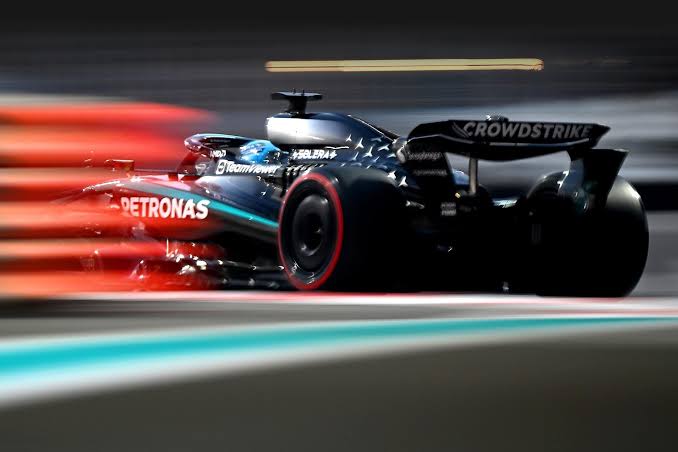
The 2026 Formula 1 season is shaping up as one of the most interesting chapters in modern motorsport. With a completely refreshed technical era (as most people would agree), new manufacturers, a new race in Madrid and a packed international calendar, there’s plenty to follow. As it turns out, for fans checking the latest dbbet uz updates alongside their usual racing coverage. Understanding the schedule is a useful way to keep track of when the biggest weekends are coming.
The official f1 2026 schedule contains 24 Grands Prix, running from March through December. Looking at it closely, the calendar also introduces a more carefully organised geographical flow, which should make the season slightly easier on teams and their travelling equipment.
What Makes the 2026 F1 Calendar Different?
The first thing to notice is that 2026 isn’t simply another year on the formula 1 calendar. Essentially, it marks the beginning of a major technical reset. The new regulations affect the cars, power units and energy management, while the sport also moves to 100% advanced long-lasting fuel.
That matters because a regulation change can completely alter the competitive order. Essentially, you know, a team that dominated one season may suddenly have to catch up, Sure, a midfield, but operation can discover an advantage through clever engineering.
there’re also new manufacturers and teams entering this new era, including Audi and Cadillac, while Ford returns to the power-unit scene through its involvement with Red Bull Powertrains.
The Season Starts in Australia
The championship opens in Melbourne from March 6–8. Looking at it closely, china follows just one week later, creating an early double-header before the paddock moves to Japan for the Japanese Grand Prix on March 27–29.
For fans, this creates an interesting opening sequence. From what we can tell, australia provides the first serious indication of how teams have adapted to the new cars, while Shanghai hosts the first Sprint weekend of the season.
A practical example is simple: if a driver struggles in Melbourne, there’s very little time to rebuild momentum before China. In many cases — or so it seems — , engineers So, have to analyse data quickly, identify weaknesses and adjust the setup without the luxury of a long gap.
Understanding the Middle of the F1 2026 Schedule
After Japan, the championship moves to Bahrain and Saudi Arabia in April. For the most part, the timing is deliberate, with Ramadan affecting the placement of those races. Miami then arrives in early May, followed by Canada later that month.
The European section begins with Monaco in June and continues through Barcelona, Austria, Great Britain, Belgium, Hungary and the Netherlands.
This part of the calendar is especially important because. It creates a sustained run of races where teams can build momentum. Here’s what’s really going on: european events are also comparatively convenient for logistics. Equipment can move between nearby countries more efficiently than during long-distance flyaways.
Why the Order of Races Matters
A Formula 1 season isn’t just a collection of individual Grands Prix. From what we can tell, the order can influence strategy across the championship.
Consider a team that has a car especially strong on high-speed circuits. Looking at it closely, the thing is, silverstone and Spa could provide valuable opportunities to collect points. If the same car struggles on slower, (which is pretty standard) technical layouts, Monaco and Hungary may expose those weaknesses.
that’s why following f1 news throughout the season is actually useful. Here’s what’s really going on: practice results, technical upgrades, weather forecasts and driver comments can even provide context that a simple finishing position can’t.
Madrid Joins the Formula 1 Calendar
One of the biggest additions is Madrid. Looking at it closely, basically, the Spanish capital is scheduled to host its first Formula 1 Grand Prix from September 11–13. Following Monza and Preceding Azerbaijan. The event remains subject to FIA circuit homologation in the published calendar.
The arrival of Madrid gives Spain two appearances on the 2026 calendar, with Barcelona hosting the championship earlier in June.
For spectators planning around the event, the distinction is important. At the risk of stating the obvious, a race weekend is much more than Sunday afternoon. Friday and Saturday include practice and qualifying sessions, (in most cases) while Sprint weekends add another competitive session to the schedule.
Sprint Weekends Add Another Layer
Six venues host Sprint events in 2026: From what we can even tell, china, Miami, Canada, Silverstone, Zandvoort and Singapore. The Sprint format compresses competitive action into the entire weekend, with Sprint Qualifying on Friday, the Sprint and Grand Prix Qualifying on Saturday, and the Grand Prix on Sunday. In other words, that’s the gist of Sprint.
For someone new to Formula 1. In practice, basically, the easiest way to understand it’s to think of a Sprint weekend as having an additional race that can affect the championship.
For example, a driver who normally needs Saturday to fine-tune the car has less room for experimentation. To be honest, a poor setup decision can have consequences earlier than usual because the Sprint arrives before the main Grand Prix.
Midway through the season. Plain and simple, you know, keeping an eye on winwin alongside regular F1 coverage can be another way fans organise their race – weekend information, but the official Formula 1 timetable remains the best reference for dates and sessions.
The Final Stretch of the 2026 Season
After Madrid, the championship heads to Baku and Singapore before beginning a demanding sequence in the Americas. In many cases, austin, Mexico City and São Paulo arrive in consecutive weeks, followed by Las Vegas, Qatar and finally Abu Dhabi.
This closing section can be physically demanding for drivers and crews. Think about it this way: travel, time-zone changes and repeated race weekends all increase pressure at precisely the point when championship battles may be decided.
Abu Dhabi hosts the finale from December 4–6. To be honest, by then, every practice session, qualifying result, planned decision and reliability issue from the previous 23 rounds can suddenly become big.
How to Follow the Schedule More Effectively
A simple approach works well. For the most part, mark the race weekends first, then highlight Sprint events separately. It’s also worth noting consecutive-race weekends because they leave teams little recovery time.
For example:
- March: Australia, China and Japan put in place the opening rhythm.
- June–July: Monaco through Hungary create the main European run.
- August–September: Zandvoort, Monza and Madrid form an important late-summer sequence.
- October–December: the Americas and Middle East decide the championship.
The official calendar right now lists 24 rounds, although individual dates or event details can be subject to changes.
Why 2026 Could Be a Season to Remember
The appeal of the 2026 season goes beyond the number of races. What a lot of people don’t realize is new technical regulations create uncertainty, established teams face fresh competition — and Madrid adds another major venue to an already global championship.
For fans, that makes the calendar especially useful. As it turns out, instead of viewing each Grand Prix as an isolated event, the schedule shows how the championship develops over time: early-season experimentation, the European battle for consistency, the pressure of the summer stretch and the final international run towards Abu Dhabi.
That bigger picture is what makes following Formula 1 so rewarding. For the most part, the 2026 calendar is packed, demanding and strategically important from the first lights in Melbourne to the final chequered flag in Abu Dhabi. With new cars (at least in most cases), new challenges and several important changes to the racing scene the season offers plenty for both long-time followers and newcomers to discover.