What is done in the initial few minutes of an emergency may have a significant impact on the patient’s outcome. Professionals trained in CPR and first aid are able to stabilise patients until medical assistance arrives by using sophisticated strategies that go beyond basic reactions. Understanding what to accomplish is just one aspect of these abilities; another is understanding how to execute it effectively under duress. Trained responders are essential in saving lives in public spaces, residences, and workplaces by evaluating life-threatening situations and providing accurate actions.
Advanced first aid integrates decision-making, practical skills, and information. Professionals are trained to maintain composure, evaluate hazards, and rank the order of care according to the gravity of the circumstance. This methodical approach guarantees that no important stage is overlooked.
Scene Evaluation And Quick Decision-Making
A structured scene evaluation is one of the earliest sophisticated methods used by experts. Responders swiftly assess the scene for dangers, the number of wounded people, and the nature of the occurrence before contacting a patient. This safeguards the patient as well as the responder.
Participants acquire systematic techniques like the main and secondary survey during programmes like a first aid course Melbourne. Life-threatening conditions such as acute bleeding, respiratory failure, and airway blockage are the main emphasis of the study. In order to find less evident injuries, the secondary survey entails a more thorough head-to-toe examination. This methodical approach guarantees that treatment is given in the right sequence and avoids panic.
Advanced Management Of Airways
One of the most serious medical crises is an obstruction of the airway. Professionals in CPR and first aid use methods that go beyond basic recovery postures. When a spinal injury is suspected, they are taught to open the airway using techniques like the head tilt, chin lift, or jaw thrust.
Additionally, professionals are taught to distinguish between partial and total airway blockage. Back strikes or abdominal thrusts may be administered to choking sufferers with the appropriate power and placement. Responders continue airway assistance in more severe instances until more sophisticated medical equipment is available. Effective control of the airway often makes the difference between life and death.
Excellent Use Of Aeds And CPR
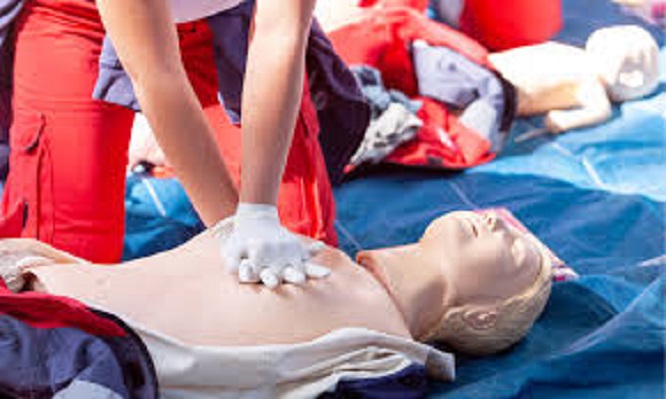
Although cardiopulmonary resuscitation is a fundamental skill, practitioners concentrate on providing excellent CPR rather than just carrying out the procedures. This entails maintaining the proper compression depth, steady beat, and few disruptions. Vital organs continue to get oxygenated blood when CPR is performed effectively.
Teamwork is emphasised during resuscitation by training providers that provide first aid training Melbourne. Responders may switch positions during critical crises to avoid weariness and maintain the effectiveness of compressions. Additionally, professionals get training on how to utilise automated external defibrillators quickly and confidently. During a sudden cardiac arrest, prompt defibrillation greatly improves survival prospects.
Handling Severe Shock And Bleeding
Within minutes, unchecked bleeding may cause shock and death. Advanced bleeding control methods, including hard direct pressure, wound packing, and pressure bandage application, are used by CPR and first aid specialists. In certain situations, when severe limb bleeding cannot be stopped in any other way, they may also appropriately use tourniquets.
Another sophisticated ability is identifying the symptoms of shock. Warning indications include pale complexion, a fast heartbeat, disorientation, and shallow breathing. While they wait for emergency services, responders situate the patient correctly, keep them warm, and keep an eye on their vital signs.
Managing Musculoskeletal And Spinal Injuries
Spinal injuries are a major worry in incidents like falls and car crashes. Experts are taught to physically stabilise the head and neck and reduce movement. They know when a patient shouldn’t be moved unless there is an imminent threat.
Slings, splints, and immobilisation procedures are often included in a first aid and CPR course Melbourne. Appropriate stabilisation lessens discomfort and prevents more harm. To prevent panic, these techniques call for cautious treatment and open conversation with the wounded party.
Conclusion
Professionals in CPR and first aid use sophisticated methods that go well beyond straightforward instructions or simple bandaging. They include methodical evaluation, accurate life-saving measures, and composed leadership under duress. People who have received training are better able to control severe bleeding, administer high-quality CPR, maintain airways, and treat complicated injuries.
These abilities enable trained people become self-assured responders who can stabilise patients and buy valuable time in emergency circumstances. When every second matters, the value of advanced first aid knowledge is evaluated not only by the skills acquired but also by the lives saved.