In every place they go, kids count on adults to keep them safe, teach them, and give them immediate care. In childcare settings, this responsibility becomes even more significant because young children are naturally curious, energetic, and sometimes unaware of danger. From minor injuries to unexpected medical emergencies, childcare professionals must be prepared to respond quickly and effectively. This is why first aid training has become a core part of responsible childcare practices.
Modern childcare centres are no longer focused only on supervision and education. They are expected to maintain safe environments where children receive proper care during every situation. First aid training gives educators the confidence and practical knowledge needed to act calmly when emergencies occur.
The Importance of Emergency Preparedness in Childcare
Young children can experience accidents without warning. Falls, allergic reactions, breathing difficulties, choking incidents, and cuts are all situations that may happen in a childcare setting. Immediate action can make a major difference in reducing the severity of injuries and protecting a child’s well-being.
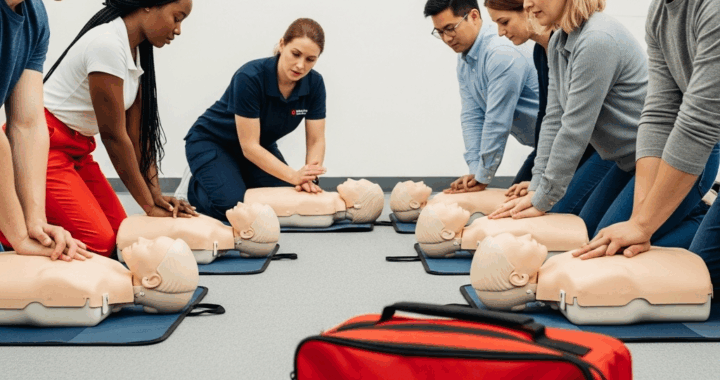
When childcare professionals complete recognised courses such as HLTAID012, they develop the ability to respond effectively in emergencies involving infants and young children. These programs focus on practical skills that can be applied in real situations rather than relying only on theory.
Prepared educators are more likely to stay calm under pressure, communicate clearly, and provide reassurance to children while handling emergencies. This level of preparedness strengthens trust between childcare providers and parents.
Building a Culture of Safety
Responsible childcare practices go beyond meeting minimum legal requirements. Strong childcare environments create a culture where safety is part of everyday operations. First aid training contributes to this culture by encouraging staff to identify hazards, reduce risks, and improve emergency planning.
Educators who understand first aid procedures often become more aware of potential dangers in classrooms, playgrounds, and activity areas. They pay closer attention to supervision, hygiene practices, and injury prevention strategies.
This proactive mindset benefits everyone involved. Children enjoy safer environments, parents feel more confident leaving their children in care, and childcare centres strengthen their professional reputation.
Professional Development for Childcare Educators
Continuous learning is essential in the childcare industry. First aid training is not only about compliance but also about professional growth. Educators who regularly update their knowledge remain informed about current safety practices and emergency response procedures.
Many trainers who deliver childcare first aid programs have completed advanced qualifications such as Cert 4 in training and assessment, which prepares them to effectively teach practical workplace skills. Skilled trainers help childcare professionals understand how to apply first aid knowledge in realistic scenarios rather than simply memorising information.
High-quality training creates stronger learning outcomes because educators gain confidence through hands-on experience and guided instruction.
Strengthening Communication With Families
Parents want reassurance that their children are in safe hands. Knowing that childcare staff are trained in first aid helps build confidence and trust between families and educators.
When centres openly discuss their safety procedures and staff qualifications, parents are more likely to feel comfortable with the level of care being provided. Childcare providers who invest in proper training demonstrate a strong commitment to child wellbeing.
In some cases, educators also use their knowledge to guide parents on basic safety awareness and emergency response practices at home. This creates stronger partnerships between childcare centres and families.
Supporting High Standards in the Education Sector
The childcare industry continues to evolve with increasing expectations around safety, professionalism, and quality care. Training providers play an important role in maintaining these standards by delivering relevant and practical education programs.
Programs connected to Certificate IV in Training and Assessment Canberra, help prepare trainers who can effectively educate future childcare professionals. Well-trained educators contribute to stronger childcare systems and safer environments for children across the community.
By focusing on practical skills, communication, and confidence building, these programs help create a workforce that is capable of responding responsibly during emergencies.
Conclusion
First aid training is one of the most important foundations of responsible childcare practices. It equips educators with the skills needed to respond quickly, protect children during emergencies, and maintain safer learning environments every day.
As childcare expectations continue to grow, professional first aid education remains essential for supporting both safety and trust. Centres that prioritise training demonstrate genuine commitment to the well-being of every child in their care while strengthening the overall quality of childcare services.