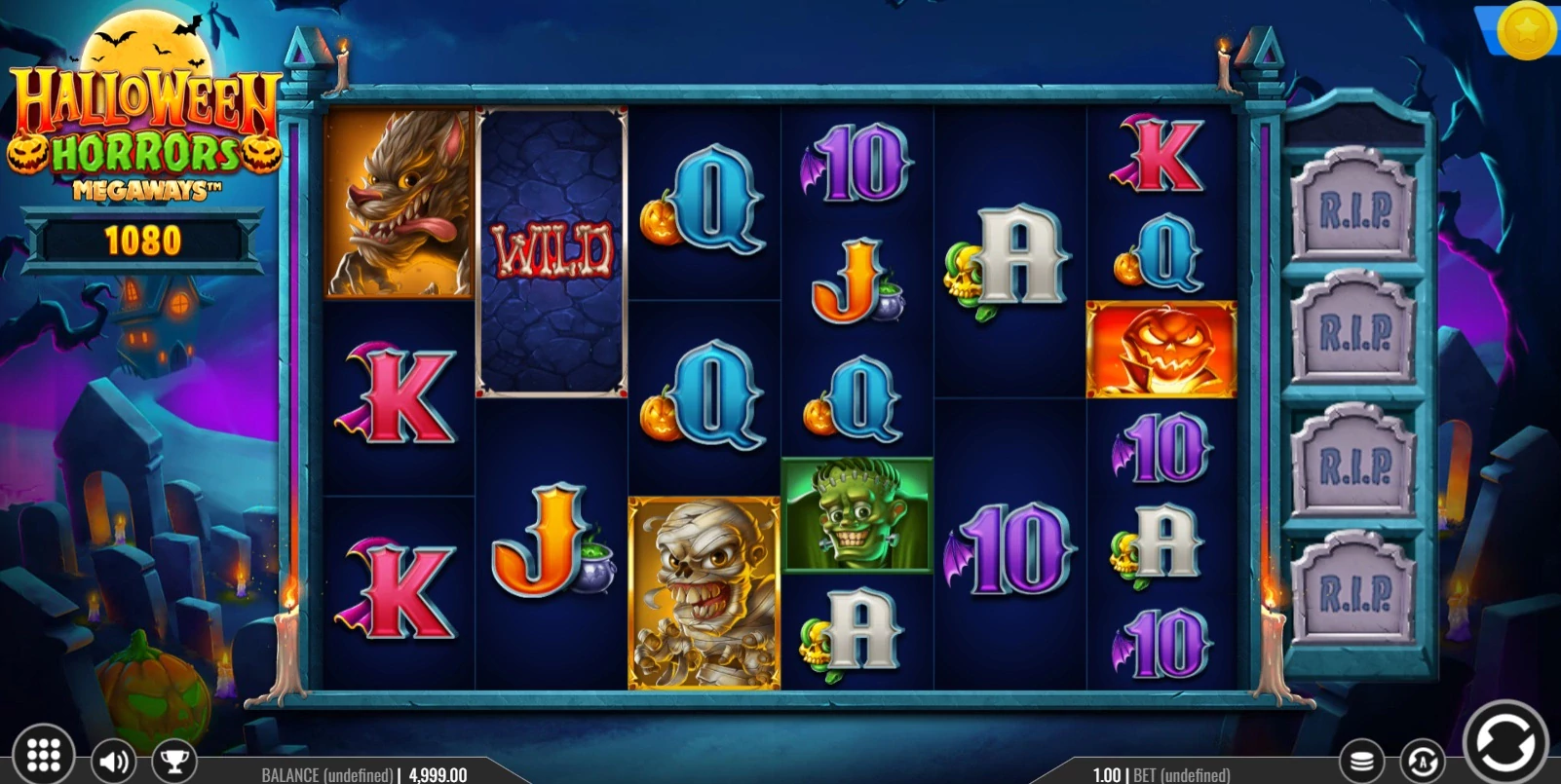
Horror aesthetics can make a mobile slot session feel immersive without needing heavy story arcs or complex mechanics. The challenge is keeping the experience readable when screens are small, networks are inconsistent, and attention is already split. A well-built session hub uses clear states, stable controls, and predictable feedback, so users always know what a tap will do. When the visuals stay moody but the UX stays disciplined, the experience feels fun and controlled rather than chaotic.
Why Horror Styling Works in Short Sessions
Dark palettes, sharp contrast, and suspense pacing translate well to mobile because they create instant mood with minimal explanation. The risk is that horror visuals can also increase intensity, which can speed up decision-making if the interface does not provide calm structure. That’s why entry needs to separate browsing from committing, with buttons that never change meaning mid-session. A flow that keeps selection and play context aligned sits right desi slot inside the same surface, so the user is not bounced through confusing layers while trying to start a quick round. The best outcomes come from stable placement for bet controls, consistent spin timing, and status cues that stay visible even when effects ramp up.
Managing Sound and Motion Without Overstimulation
Horror sound design is powerful because it can create tension with tiny cues, but it should never drown out usability. The clean approach is tiered feedback: soft confirmation sounds for taps, clearer cues for state changes, and controlled reward audio that does not spike unpredictably. Haptics follow the same rule. Short, consistent pulses support clarity. Loud, varied patterns can push urgency. Motion should guide attention, not hijack it. Animations that flash, shake, or constantly reframe the play area create mis-taps on touchscreens and can make outcomes feel less transparent. Calm motion also improves performance. Fewer heavy effects means fewer frame drops, so the session feels fairer because inputs stay responsive and results display consistently.
Showing Key Game Info Without Killing the Mood
A horror theme does not need to hide the basics. Players still need quick access to bet range, paytable, feature rules, and any limits that affect pacing. That information should live in one predictable place across all games, with language that stays consistent and short. If a label changes between screens, users assume the rules changed too. Disclosure works best when it’s skimmable, then expandable, because mobile attention is limited. A compact set of UX elements can keep the experience understandable while preserving atmosphere:
- A fixed info icon that opens rules and payout logic in one panel
- A bet value display that remains visible during animations
- A clear indicator when autoplay is active and how to stop it
- A session timer or reminder option that is easy to enable
- A results history view that confirms completed spins and outcomes
Comfort Features for Night Play and Private Browsing
Horror-themed sessions are often played late, which makes comfort and privacy features feel like part of the product quality bar. Bright flashes, harsh contrast shifts, and sudden audio spikes are a bad combo for tired users, so brightness controls and reduced-motion options should be easy to find. Privacy also matters on shared devices. Sensitive values should be maskable, and the interface should avoid exposing context in places like lock-screen notifications or app-switcher previews when possible. Session recovery needs to be clean too. If a connection drops, the UI should show a clear processing state rather than forcing repeated taps. Vague errors push people into trial-and-error behavior, so specific reasons tied to timing or connectivity help users recover without stress.
Autoplay that stays predictable
Autoplay is a convenience feature, but it becomes risky when it is unclear or too easy to forget. The safest pattern is explicit controls with obvious on and off states and a stop action that works instantly. Autoplay should also respect pacing settings like spin speed and loss limits. If a user changes bet size during autoplay, a confirmation step can prevent accidental escalation, so the system stays aligned with intent. Clear feedback is key: show remaining spins, current bet, and a visible stop control at all times. When autoplay behaves predictably, it feels like a tool rather than a trap, which supports healthier session boundaries without adding heavy friction.
Ending the Session With Closure Instead of Pull
The end state is where a mobile experience proves its maturity. A session should be easy to exit, and the interface should treat stopping as a normal choice. A short recap helps: current balance change for the session, last outcome posted, and a clean return to the selection screen without auto-start behavior. When users have closure, they are less likely to re-enter just to confirm what happened. That reduces late-night drift and supports better pacing. Horror styling can stay atmospheric right up to the end, but the controls should remain calm and consistent. Stable buttons, readable status cues, and a predictable exit path keep the experience fun while still feeling governed by rules.