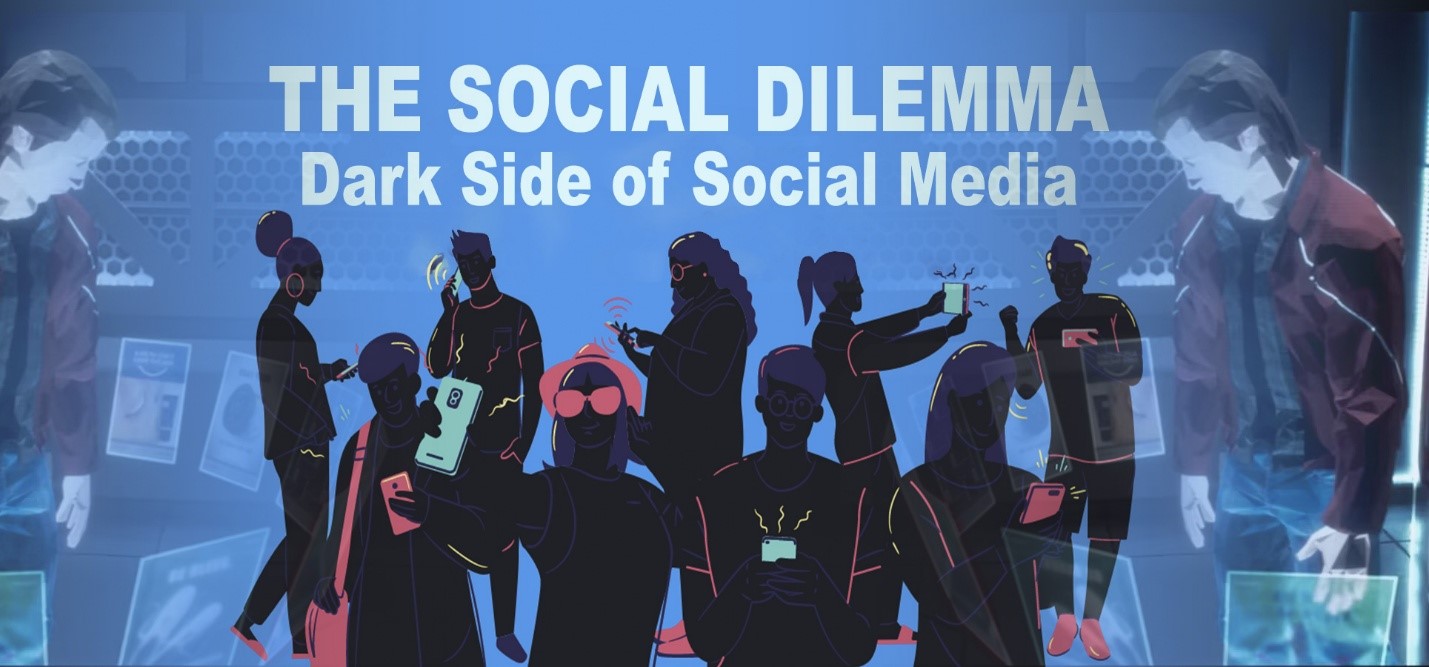
Social media is a major part of people’s lives, it changes how we talk, how we get news, and even how politics work. However, the problem of user privacy is constantly growing under the surface of these platforms that continue to evolve, along with the extent of data surveillance.
Keeping in touch with others is so easy, but there are some trade-offs that the majority of users do not fully understand. The extent of these risks is well articulated in a detailed study of materials like Socialgreg that brings forth how user data is extremely vulnerable in the digital world.
How Social Platforms Collect and Exploit Data
Indeed, every social media activity such as likes, comments, searches, location check-ins, and even the time that a user spends on a post is a contribution to behavioral data that is being collected in a huge data bank.
Platforms use advanced algorithms and machine learning models to map raw data into user profiles consisting of various demographic characteristics, habits, purchasing patterns, and even emotional triggers.
This data is also a product for the third-party marketers and is shared with advertising networks and the like apart from being used for personalized feeds and advertisements.
The real problem is that the majority of those platforms that deal with such data do not give transparent disclosures informing the users how the data is processed or monetized.
As a result, users are giving more and more rights to their data without knowing the profound consequences of their digital footprints.

Increasing Danger of Data Breaches and Unauthorized Access
There has been a sharp increase in the number of cyberattacks on social media in the past ten years.
The result of one breach may be the exposure to millions of records of emails, phone numbers, passwords, and private conversations. Among a variety of fraudulent activities, identity theft, targeted phishing, and financial fraud are some of the ways that the attackers will use this information.
In addition, the leaked data is mostly intended for the dark web where it is exchanged along with other data sets for an indefinite period, hence perpetually. Even when someone deletes an account, the information may still be stored in backup copies or shared ones held by third parties, thus the data on the internet lasts for way longer than one would expect.
Surveillance: A More Serious Layer of Risk
Perhaps, the most discomforting aspect of the current scenario of social media is the increasing surveillance of both corporate and governmental agencies.
Social platforms in this regard collect information on user locations, device metadata, IP addresses, and cross-platform activity. Besides, many apps are seeking permission for the microphone, camera, and background, which may not be essential, even if the core functionality is taken into account.
Governments worldwide depend on social media data for monitoring public sentiment, identifying threats, and conducting investigations. Even though some of this surveillance is legal and is associated with national security, privacy advocates claim that lack of clear limits invites abuse.
The adoption of facial recognition technology and AI-powered monitoring systems exacerbates the problem as it allows tracking to be done on a large scale which was not feasible ten years ago.
Manipulation, Misinformation, and Psychological Impact
Besides, the data of users, which have been collected, are also used to influence behavior intentionally or unintentionally. In order to increase user engagement, algorithms prioritize emotionally charged content and thus the users may be exposed to misinformation, sensational news, and manipulative advertising without their knowledge.
On one hand, political campaigns and on the other hand, malicious actors, have been exploiting these vulnerabilities to influence public opinion and deceive certain communities with tailored propaganda to use them as their support base and voters.
This algorithmic manipulation questions the ethics of the issue in terms of the freedom of will, the user’s mental health condition and the increase of the gap between the digital world and human perception.
How Users Can Strengthen Their Privacy
Even though the problems with the structure need to be solved via stricter regulations and more accountability of the platforms, the users may take a few practical steps to protect themselves:
- Limit the personal information that you share publicly or in your profiles.
- Turn off permissions that are not needed, like geolocation and background activity.
- Multi-factor authentication must be combined with a strong and unique password.
- Regular privacy settings should be checked.
- Do not get involved with suspicious links, apps, or third-party integrations.
Moreover, it is necessary to be aware of new vulnerabilities as well as security updates.
Final Through
Without the adoption of higher compliance standards by platforms and the enforcement of strict data-protection laws by governments. the negative aspects of social media will not cease to exist but will keep on growing.
An essential default practice should be transparency rather than an optional feature hidden under complex terms and conditions. Until then, users have to be proactive in protecting their privacy.