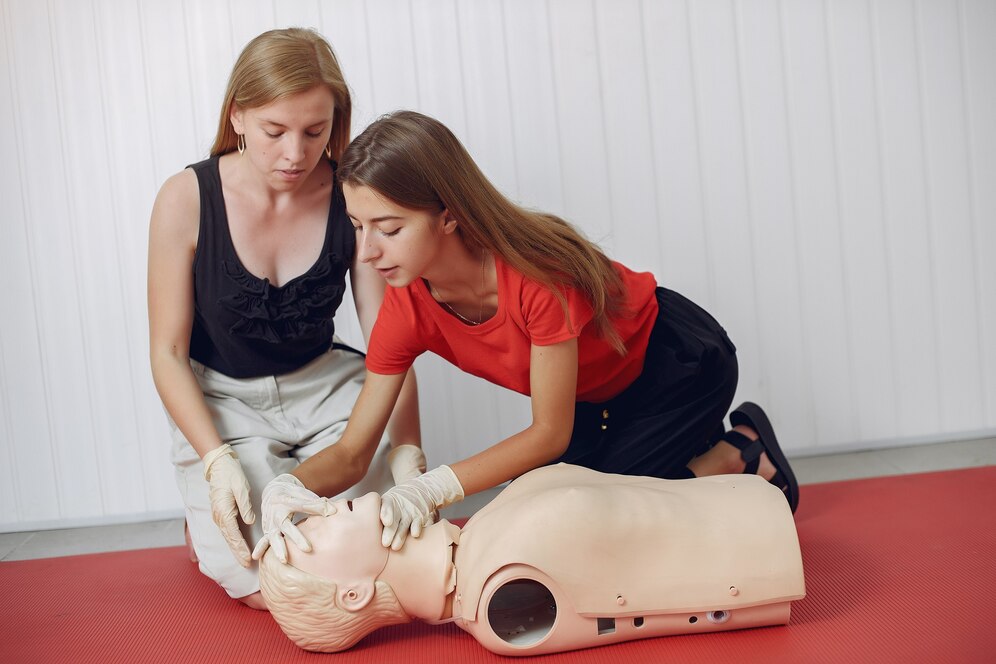
Emergency response education has changed significantly over the years. Today, training programs are more practical, engaging, and designed to prepare people for real-life situations rather than only teaching theory. Anyone enrolling in a modern first aid course Darwin can expect a structured learning experience that combines hands-on activities, updated safety practices, and realistic emergency simulations.
Practical Learning Instead Of Only Theory
One of the biggest differences in modern training programs is the strong focus on practical participation. Students are encouraged to actively perform emergency response tasks rather than simply observe demonstrations. Trainers often create realistic scenarios that mirror workplace incidents, sports injuries, or home emergencies.
Participants may practice CPR techniques, wound management, patient assessment, and recovery positioning using professional training equipment. This practical format allows students to build muscle memory and improve their response speed during stressful situations.
Many learners appreciate that a modern course environment feels interactive rather than classroom-focused. Group exercises and role-playing activities help students understand how emergencies can unfold unexpectedly.
Updated Emergency Response Techniques
Safety procedures and first aid guidelines continue to evolve over time. A modern first aid course in Darwin usually includes the latest nationally recognised techniques and recommendations. Students are taught methods that reflect current workplace safety standards and emergency response protocols.
Training may include handling burns, fractures, allergic reactions, breathing difficulties, bleeding injuries, and unconscious casualties. Students are also introduced to modern defibrillator awareness and safe infection control practices.
Programs such as HLTAID012 are especially important for individuals working in education and childcare settings because they focus on responding to emergencies involving infants and children. This specialised training helps participants understand age-appropriate emergency care techniques.
Realistic Emergency Scenarios
Modern training providers understand that emergencies are often chaotic and emotionally stressful. Because of this, many courses now use scenario-based learning to prepare students for realistic situations.
Instead of memorising instructions from a manual, students may respond to mock accidents involving workplace injuries, sports incidents, or public emergencies. Trainers may simulate situations where participants must stay calm while communicating with emergency services and assisting injured individuals.
This type of learning helps students improve confidence and decision-making skills. Many people discover that practising emergency responses in a controlled setting makes them feel more prepared for real incidents later.
Flexible Learning Options
Another major advantage of modern training is flexibility. Many providers now offer blended learning formats that combine online theory with face-to-face practical assessments. This structure helps busy students balance training with work and personal commitments.
Online learning modules allow participants to review emergency procedures at their own pace before attending practical sessions. This can improve understanding because students arrive already familiar with the basic concepts.
Some training organisations also offer shorter express sessions for refresher purposes. Providers such as Fast First Aid have contributed to making emergency response education more accessible for people with demanding schedules.
Workplace Focused Training
Many students attend first aid courses because of workplace requirements. Modern programs are designed to reflect industry-specific risks and environments. Construction workers, childcare professionals, hospitality teams, and office employees may all encounter different types of emergencies during their daily responsibilities.
Training often includes communication procedures, hazard awareness, and emergency planning relevant to workplaces. Students learn how to respond quickly while protecting both the casualty and themselves.
This practical workplace focus helps businesses create safer environments while ensuring employees understand their responsibilities during emergencies.
Improved Confidence And Communication Skills
A modern first aid course in Darwin often improves more than technical emergency skills. Many students notice increased confidence in communication and teamwork after completing training.
Emergency situations require people to stay calm, provide reassurance, and coordinate with others effectively. During practical exercises, students practice speaking clearly, giving instructions, and remaining focused under pressure.
These skills can become valuable in everyday life, workplaces, schools, and community activities. Some participants even discover greater confidence in leadership situations because of the structured problem-solving involved in emergency response training.
Learning Skills That Support The Community
One important aspect of modern first aid education is community awareness. Students are encouraged to view emergency response skills as valuable life skills rather than simply workplace qualifications.
Medical emergencies and accidents can occur in a variety of locations, such as retail centres, sporting events, colleges, and residences. Knowing how to provide immediate assistance before professional help arrives can make a meaningful difference.
A modern first aid course in Darwin helps individuals become more prepared, responsible, and aware of how their actions can support others during emergencies. Through updated techniques, realistic practice, and flexible learning methods, students gain practical knowledge that can remain valuable for years.